Serving Plattsburgh, NY and surrounding areas. (518) 219-1514

Plattsburgh Insulation
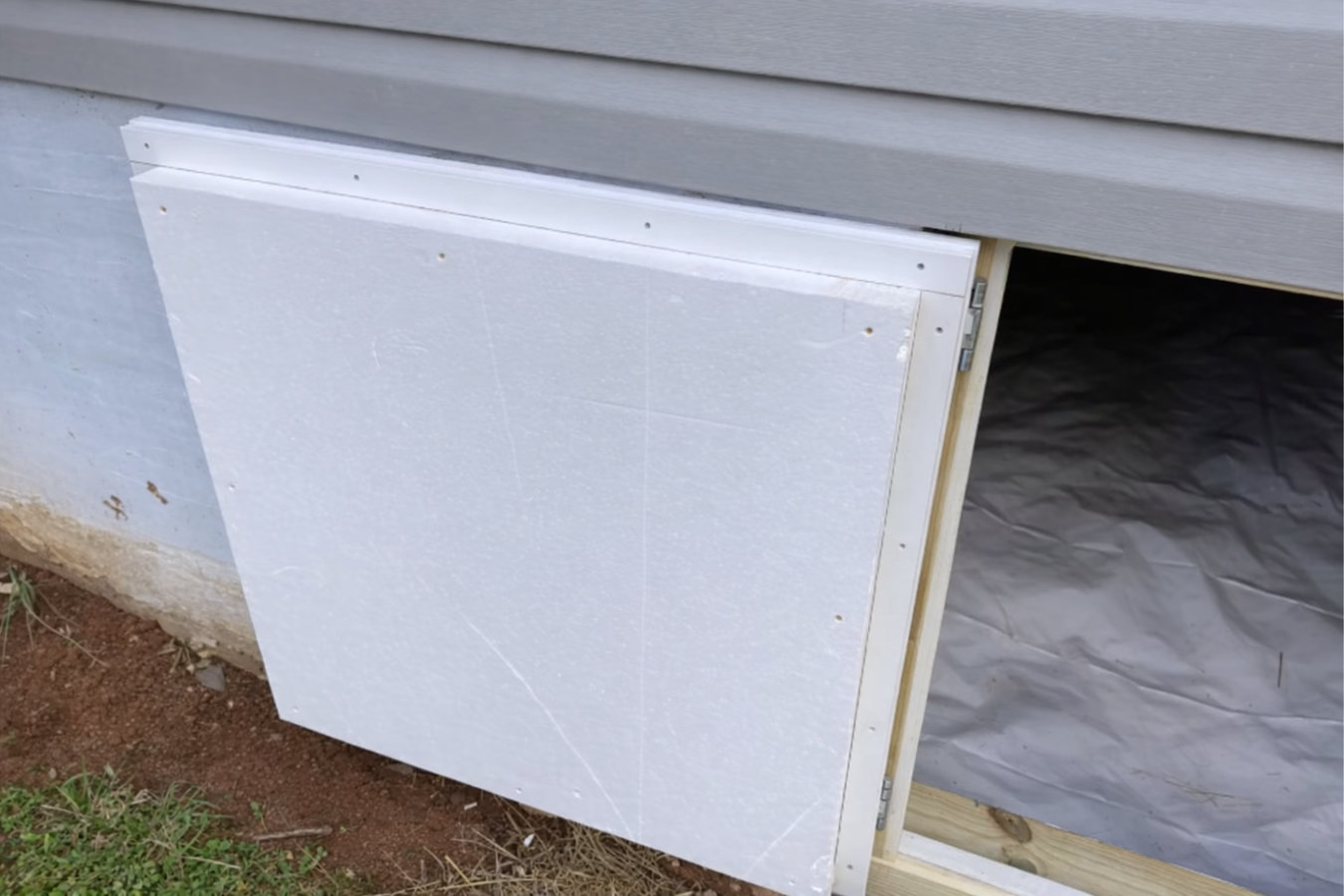
Plattsburgh Insulation serves Champlain, NY with air sealing, spray foam, blown-in insulation, and vapor barriers - responding within 1 business day for homeowners throughout this Clinton County border village.
Champlain sits at the northernmost edge of New York State, and most homes here were built before 1960 - wood framing, thin or missing insulation, and gaps that let cold air in and heated air out. Air sealing the attic floor is the first and most important fix.
Champlain homes built in the early 1900s have layers of settled framing, patched walls, and uninsulated gaps around pipes and wires that let heated air pour into the attic all winter. Our air sealing services close those pathways systematically, making every dollar of insulation material that follows perform at its full rated value - a critical first step for any older home in this village.
The attic floor is where most heat escapes in a Champlain home, and many older village homes still have original or early-replacement insulation that has settled to a fraction of what Climate Zone 6 requires. We assess what is there, air seal the floor first, then bring coverage up to code depth using materials suited to the structure.
For Champlain attics with accessible joists and existing insulation that has degraded over decades, blown-in cellulose or fiberglass is the most practical way to restore the required depth. The loose-fill material moves around framing members, fills irregular cavities, and does not require removing finished ceilings below. Most village home attic jobs are completed in a few hours.
Older homes in Champlain have rim joists, foundation sill areas, and crawl space walls where cold air infiltrates directly from outside. Spray foam adheres to irregular surfaces and creates a continuous air and moisture barrier in spots where no other material performs as well - especially in the stone and early concrete foundations common in homes built before 1950.
Champlain sits in a low-lying area near the Richelieu River corridor, and many older village homes have crawl spaces or partial basements that collect ground moisture during spring thaw. A vapor barrier installed on the crawl space floor and walls stops that moisture from migrating into the wood framing above, protecting the floor structure and interior air quality in homes that were built without moisture control in mind.
Many Champlain homes have uninsulated crawl spaces beneath additions or sections of the home that were built in different eras. An open crawl space lets the cold work directly through the floor into the rooms above, making ground-floor rooms uncomfortable and pushing up heating costs all winter. Insulating and encapsulating the crawl space addresses both the comfort problem and the moisture risk at the same time.
Champlain is a small village in the far northern corner of Clinton County, sitting directly on the Quebec border. Winters here are long, cold, and snowy - the area regularly sees 60 to 80 inches of snow per year, and temperatures drop well below zero Fahrenheit for stretches in January and February. The frost line can reach four feet or deeper in a hard winter, putting steady upward pressure on foundations and anything at or below grade. These conditions alone demand serious insulation. What makes them harder to manage in Champlain is the age of the housing stock: most homes in the village were built in the first half of the twentieth century, when insulation standards were minimal and air sealing was not part of how houses were built.
The low-lying terrain near the Richelieu River corridor also plays a role. Champlain sits in a relatively flat area, and spring snowmelt combined with seasonal high water can push moisture into basements and crawl spaces that were never designed to manage it. Homes with stone or early poured-concrete foundations are especially vulnerable to water infiltration and frost heave. Freeze-thaw cycles here are relentless throughout late fall, winter, and early spring - water works into every small crack in old masonry and wood framing, expands when it freezes, and widens those gaps season after season. Proper insulation and vapor control address both the heat loss and the moisture problem at the same time.
Our crew works throughout Champlain regularly, and we understand the local conditions that affect insulation work here. The village has a compact layout, with homes on small in-town lots along streets that run close to the Canadian border. A large share of the homes we inspect in Champlain have never had a professional energy upgrade - when we open the attic access we often find original insulation that has settled to a few inches at most, or none at all in sections of the home that were built as add-ons. The older stone and brick foundation walls common here also need a different approach than the poured concrete found in newer construction.
U.S. Route 9 runs through the village, connecting Champlain to the rest of Clinton County and to the Champlain-Lacolle border crossing - one of the busiest land crossings in the northeastern United States. For homeowners on the quieter residential streets south of the crossing, or in the older neighborhoods near the village center, a contractor willing to make the drive out here matters. We serve the whole village, and we know what to expect in homes at this latitude.
We also work regularly in Rouses Point, just a few miles south along the lake, where homes face similar border-town conditions and an older housing stock. If you are in Champlain and want to talk through your project before booking an inspection, call us or use the form below.
Tell us what you are experiencing - cold rooms, high heating bills, ice dams, or moisture in the basement or crawl space. We respond within 1 business day and schedule an estimate visit at a time that works for you.
We inspect your Champlain home, check the attic, basement, and crawl space as the project warrants, and provide a written estimate explaining what we found and what the work will cost. Cost is addressed on-site before you commit to anything.
Our crew arrives on the scheduled date, sets up protection for your living areas, and installs the materials appropriate for your home type and the Climate Zone 6 requirements that apply here. Most Champlain village homes are completed in a single day.
Before leaving we confirm that coverage meets code requirements and provide documentation for NYSERDA rebate applications and the federal 25C energy efficiency tax credit. Your home is left clean and ready to use.
We serve Champlain and surrounding Clinton County communities. Fill in the form and we will be back to you within 1 business day - no obligation.
(518) 219-1514Champlain is a village in Clinton County, in the northernmost corner of New York State, bordering the province of Quebec. The village has a population of roughly 1,100 to 1,200 people and sits along U.S. Route 9 in the Lake Champlain Valley, a flat, low-lying region shaped by the river and lake corridors that define this part of the North Country. The Champlain-Lacolle border crossing - one of the busiest in the northeastern United States - sits at the northern edge of the village and is a daily landmark for residents and visitors alike. The village takes its name from the lake that borders Clinton County to the west, the same lake that gave the region much of its early settlement and economic history. For more local background, the Wikipedia article on Champlain, New York provides a useful overview of the community.
Housing in Champlain leans older, with most homes built in the early to mid-twentieth century. Wood-frame construction with clapboard or vinyl siding dominates the village streets, and stone or early poured-concrete foundations are common in the oldest homes. The housing stock is mostly single-family, owner-occupied, with a modest number of two-family properties. Champlain is a working-class community where homeowners tend to stay for the long term and take a practical approach to home maintenance. We serve Champlain along with nearby Mooers, where similar farmhouse-era construction and far-north winters drive the same insulation needs.
Champlain is among the northernmost communities in New York State and falls squarely in Climate Zone 6 - one of the coldest in the country. We install to the insulation depths and air sealing standards that zone actually demands, not the minimums written for a milder climate.
Most homes in Champlain village were built in the first half of the twentieth century, with wood framing, stone or early concrete foundations, and minimal original insulation. We work in homes like these regularly and know how to approach irregular cavities, settled materials, and moisture conditions in old construction.
We give you a free written estimate before any work starts on every job. We coordinate permit applications with the appropriate local authority for any project in Champlain that requires a permit.
Champlain is about 30 miles north of our Plattsburgh base and we serve the village regularly. We respond to all new requests within 1 business day and schedule estimate visits for Champlain homes within a few days of first contact - no long wait lists.
These are the things that matter when you are hiring an insulation contractor for a 100-year-old home in a North Country village. We know the conditions here and we do the work to the standard this climate actually requires.
Seal gaps and maximize thermal performance with professional spray foam.
Learn MoreHigh-density closed-cell foam delivers superior moisture and thermal control.
Learn MoreFlexible open-cell foam ideal for interior walls and sound dampening.
Learn MoreCode-compliant insulation solutions for commercial and industrial buildings.
Learn MorePrevent moisture intrusion and mold with a durable vapor barrier.
Learn MoreExpert vapor barrier installation protecting your home from moisture damage.
Learn MoreCold winters do not wait - contact us now and get a response within 1 business day. We serve Champlain and the surrounding Clinton County communities.