Serving Plattsburgh, NY and surrounding areas. (518) 219-1514

Plattsburgh Insulation
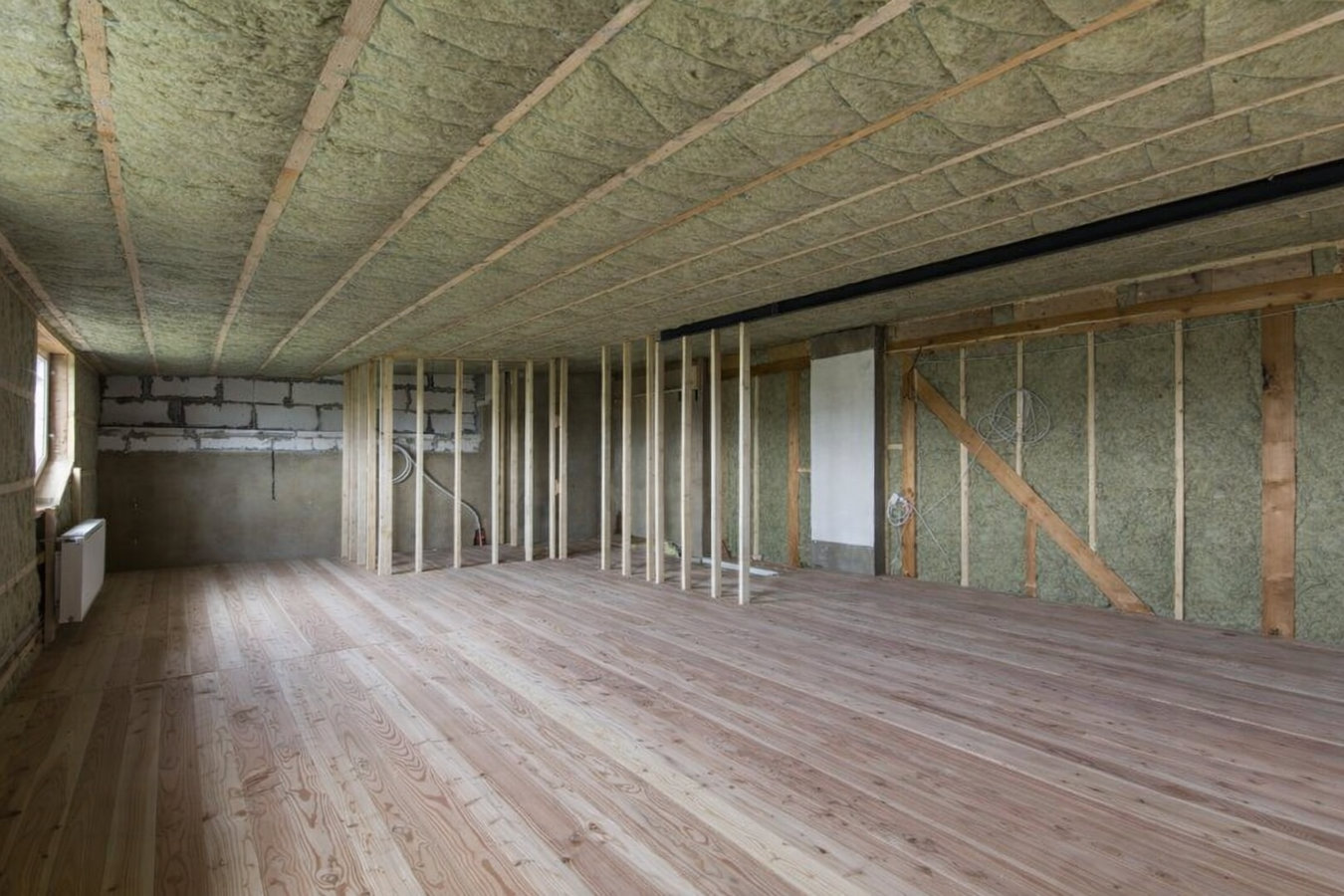
Cold floors and rising heating bills are signs your basement is letting North Country air into your home. We insulate and seal basements so your furnace works less and your family stays comfortable.
Basement insulation in Plattsburgh creates a barrier between the cold ground and your living space, cutting heat loss and reducing how hard your furnace works. Most jobs take one to two days from start to finish, and you do not need to leave your home while the crew is there.
An uninsulated basement is one of the most common reasons Plattsburgh homeowners see heating bills climb every winter. Cold air pushes in through rim joists, foundation walls, and gaps around pipes - then travels straight up into your floors and living areas. Basement insulation stops that path at the source. If your home also has an unfinished crawl space nearby, combining that work with crawl space insulation is often the most complete fix.
We serve homeowners throughout Plattsburgh and the surrounding North Country, and we know how the combination of brutal winters and older housing stock creates real problems in basements that were never built to modern standards.
If your fuel oil or propane bill has crept up over the past few winters and nothing else has changed, your basement is a likely culprit. Heat rises, but cold air enters from below - and an uninsulated basement is essentially a refrigerator sitting under your living space. This is especially common in Plattsburgh's older homes, where original insulation has had decades to settle or disappear.
If you walk across your kitchen or living room in winter and the floor feels noticeably cold, that chill is traveling up from below. In Plattsburgh's climate, where temperatures stay below freezing for weeks at a time, an uninsulated basement ceiling lets that cold transfer straight into your floors. This is one of the most common complaints homeowners describe before getting their basement insulated.
Plattsburgh winters are cold enough that pipes running through a poorly insulated basement are genuinely at risk. If a pipe has frozen - or if pipes feel unusually cold during a cold snap - your basement insulation is likely inadequate. A pipe that bursts can cause thousands of dollars in water damage, so this is a sign worth taking seriously now.
The area where your basement walls meet the floor above - called the rim joist - is one of the most common places for cold air to sneak in. If you go into your basement on a cold day and feel a draft along the top of the walls, or see light coming through gaps, those openings are letting Plattsburgh air directly into your home. This is a quick check any homeowner can do themselves.
We install basement insulation along foundation walls, overhead in the ceiling cavity, and at the rim joist - the framing section where your basement walls meet the floor above. Most Plattsburgh homes benefit from addressing all three areas, because each one is a separate path for cold air to enter. For basements that need a dense, moisture-resistant seal, closed-cell foam insulation applied directly to the rim joist is one of the most effective upgrades we offer.
If your basement has any history of moisture, we assess that first and address the source before insulation goes in. Trapping moisture behind insulation leads to mold - a problem far more expensive to fix than the original issue. We pair insulation work with air sealing so every gap around pipes, wires, and joists is closed before the insulating material is applied.
Best for homeowners noticing drafts along the top of basement walls - this single fix often delivers the most immediate comfort improvement.
Suits homeowners with unfinished basements who want to reduce heat loss through foundation walls and create a warmer, more usable lower level.
The right choice when the basement is unheated - insulating overhead keeps the floors above warm without heating the basement itself.
The most complete approach for older Plattsburgh homes where gaps and insulation gaps are contributing to high heating bills and cold floors.
Plattsburgh sits on the western shore of Lake Champlain in Clinton County, where average January lows regularly drop to single digits. That sustained cold puts enormous pressure on any uninsulated or under-insulated basement, which becomes the main entry point for cold air into the home. Many homes here also heat with fuel oil or propane - both significantly more expensive per unit of heat than natural gas - so every bit of warmth that escapes through the basement costs real money. Homeowners who start from little or no basement insulation often see a meaningful reduction in heating costs within their first full winter after the work is done. We also serve homeowners in Keeseville and Peru who face the same North Country conditions.
The proximity to Lake Champlain also creates a damp microclimate that affects basements directly. Repeated freeze-thaw cycles - common throughout the Plattsburgh area - push moisture into foundation walls and rim joist framing. A significant portion of Plattsburgh's housing stock was built before 1980, and those older homes frequently have little or no insulation in the basement at all. Whatever was installed decades ago may have settled, gotten wet, or worn out entirely. Addressing moisture and insulation together is the approach that actually holds up over time in this climate.
For an authoritative look at basement insulation best practices, the U.S. Department of Energy and ENERGY STAR both publish guidance on where to insulate and what to expect from a well-done job.
When you reach out, we will ask a few basic questions about your home's age, whether your basement is finished, and whether you have had any moisture issues. We reply within 1 business day and can typically schedule an in-person estimate within a few days.
During the estimate visit, we walk through the basement and look at the walls, ceiling, rim joist, and any existing insulation. We check for moisture concerns and gaps before recommending an approach - there is no cost for this visit and no obligation to book.
After the visit you get a written estimate outlining scope, materials, and total cost. We explain our recommendation in plain terms. Getting two or three quotes is completely normal - we want you to feel confident in your decision.
The crew arrives on the scheduled day and works in the basement without disrupting the rest of your house. Most jobs finish in one to two days. When the work is done, we walk you through everything that was installed before we leave.
Free estimate, no obligation. We reply within 1 business day.
(518) 219-1514We check for moisture and water intrusion before any insulation goes in. Covering a moisture problem with insulation makes it worse - we will not do that. If we find an issue, we tell you what needs to be addressed first and why it matters.
A large share of the homes we work on in Plattsburgh were built before 1970, with stone or brick foundations and framing that requires a different approach than modern construction. That hands-on experience means fewer surprises on installation day and a result that actually holds up over time.
New York's energy code sets minimum insulation standards for residential work. We follow those standards on every job and handle permits so you have documentation the work was done correctly - documentation that matters when you sell your home.
Qualifying basement insulation work may be eligible for a federal energy efficiency tax credit. We can tell you whether your project is likely to qualify and point you to the right resources - so you do not leave money on the table. For more, see the IRS guidance on the Energy Efficient Home Improvement Credit.
Every basement job in Plattsburgh gets the same attention: a thorough assessment, honest recommendations, and a final walkthrough so you can see exactly what was done. We do not cut corners on moisture or air sealing, because those are the steps that determine whether insulation actually works.
High-density spray foam that insulates and seals the rim joist and foundation walls in a single application - the most durable option for damp North Country basements.
Learn MoreProtect the unheated space below your home's floor joists so cold and moisture do not travel up into the living areas above.
Learn MorePlattsburgh winters do not wait - lock in your installation date before the cold sets in and the schedule fills up.