Serving Plattsburgh, NY and surrounding areas. (518) 219-1514

Plattsburgh Insulation
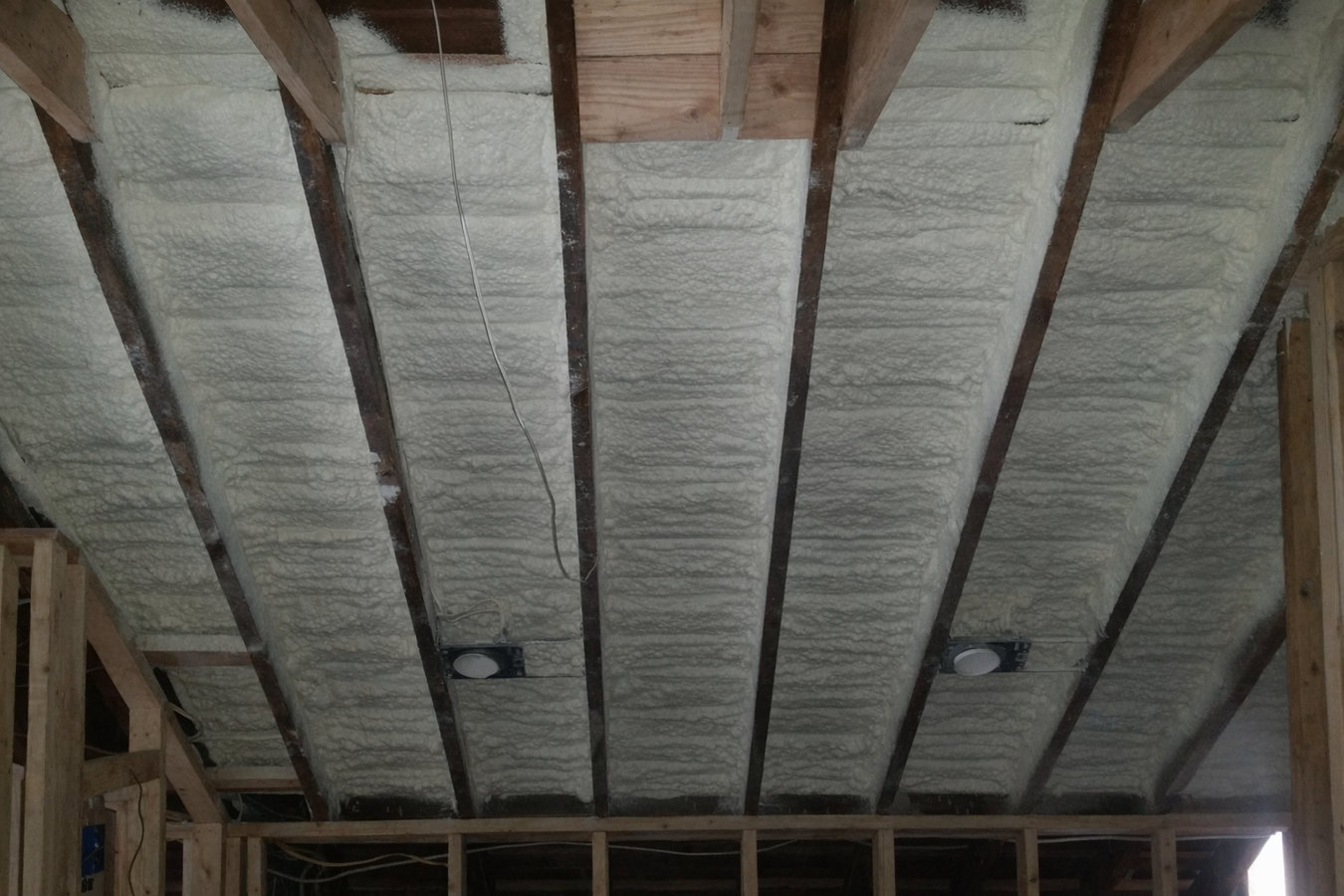
Closed-cell foam insulates and seals in one pass, blocking cold air and moisture from entering your home - the right fit for North Country winters and older Plattsburgh homes.
Closed-cell foam insulation in Plattsburgh is a two-part spray that expands into a firm, dense layer, insulating and sealing gaps at the same time. Most installations take a few hours for a crawl space or rim joist and up to a full day for a larger attic or wall project.
Most insulation materials slow heat transfer. Closed-cell foam does that while also stopping air movement and resisting moisture - three jobs in one application. For Plattsburgh homes where cold air, humidity from Lake Champlain, and repeated freeze-thaw cycles all work against the building envelope, that combination matters. If your home already has insulation but you are still seeing high heating bills, pairing this work with a broader spray foam insulation approach can address the remaining gaps.
Closed-cell foam is especially popular in crawl spaces, rim joists, and attic hatches - places where traditional insulation materials do not hold up well in damp or variable conditions. Once cured, it does not sag, settle, or absorb water, and it does not need to be replaced.
If your energy bills climb sharply in November and stay high through March no matter how carefully you manage the thermostat, your home is likely losing heat through gaps in the walls, attic, or crawl space. In Plattsburgh, where heating season runs nearly six months, even a modest improvement in your home's seal can translate to hundreds of dollars in annual savings.
Hold your hand near an electrical outlet on an exterior wall on a cold January day. If you feel a draft, cold air is moving through the wall cavity from outside. This is especially common in older Plattsburgh homes where wall insulation was never installed or has settled and left gaps. Closed-cell foam fills those cavities completely and stops drafts at their source.
Plattsburgh's freeze-thaw cycles push moisture into uninsulated crawl spaces and basement rim joists all winter. If you notice condensation, frost, or a musty smell in these areas, moisture is getting in and the space is not properly sealed. Left alone, this leads to mold and wood rot. Closed-cell foam on the rim joist and crawl space walls addresses both the moisture and the cold at once.
If the rooms directly under the roof feel significantly colder in winter, the attic is probably under-insulated or not sealed. Heat rises and escapes through the attic faster than anywhere else in the house, and in a Plattsburgh winter that means your furnace works overtime to compensate. This temperature imbalance is a reliable sign that targeted foam work would make a real difference.
We apply closed-cell foam in crawl spaces, rim joists, basement walls, attic hatches, and exposed wall cavities in older homes. For finished walls that cannot be opened, we drill small holes, inject foam, and patch them - a much less disruptive process than a full wall teardown. This approach works well for the older Plattsburgh homes that were built with minimal or no wall insulation and where opening walls is not practical.
If you are weighing options for your attic or walls, comparing closed-cell foam to open-cell foam insulation is worth doing before committing. Open-cell foam costs less per square foot but has a lower insulating value per inch and does not block moisture the same way. For Plattsburgh's climate and the moisture exposure that comes with proximity to Lake Champlain, closed-cell is typically the stronger long-term choice for crawl spaces and rim joists.
Best for homeowners with drafty basements - this single application at the top of the foundation wall stops one of the most common cold air entry points in older homes.
Suits homes with unvented crawl spaces where moisture and cold are the primary concerns - foam creates a sealed, dry environment that protects the framing above.
The right choice for homes where heat is escaping at the attic boundary - foam seals and insulates these transition areas in a single pass.
For older Plattsburgh homes with finished walls and no insulation inside - small holes are drilled, foam is injected, and the holes are patched without major disruption.
Plattsburgh sits in Clinton County in the North Country, where average January lows hover around 5 degrees Fahrenheit and wind chill off Lake Champlain can push conditions well below zero. That sustained cold means your home's insulation is not just a comfort upgrade - it is doing serious work every day from November through March. Closed-cell foam's high insulating value per inch makes it especially well suited to this climate, where every gap in your building envelope shows up as real money on your heating bill. We serve homeowners throughout the area, including those in Champlain and Rouses Point who face the same conditions.
The repeated freeze-thaw cycles that Plattsburgh experiences all winter also push moisture into small cracks in foundations, rim joists, and wall assemblies. Over time, that moisture causes rot, mold, and structural damage. A large share of Plattsburgh's residential neighborhoods feature homes built before modern insulation standards existed. For those homeowners, closed-cell foam is often the first time the home has been properly sealed against both cold and moisture at the same time. New York State's NYSERDA also offers rebates and financing for qualifying insulation upgrades - worth asking about before any work begins.
The Spray Polyurethane Foam Alliance and NYSERDA both publish guidance on spray foam installation standards and available incentive programs for New York homeowners.
When you reach out, we ask a few basic questions - the age of your home, which areas you want insulated, and whether you have noticed drafts or high bills. We reply within 1 business day and can usually schedule an in-home estimate within a week.
We walk through the areas you want insulated, take measurements, and look for existing insulation, moisture, or access issues. This visit usually takes 30 to 60 minutes, and it is a good time to ask questions about the process and any permits that may be needed. There is no cost and no obligation.
Before the crew arrives, you will need to clear the work area and plan to be out of the treated space - along with pets and houseplants - during the job and for at least 24 hours afterward while the foam cures. Your contractor will give you a specific re-entry time.
The crew seals off the work area, applies the foam in controlled passes building to the right thickness, and cleans up before leaving. When the job is done, we walk through the finished work with you so you can see exactly what was installed and where.
Free estimate, no obligation. We reply within 1 business day.
(518) 219-1514Foam applied too thin in spots will not perform as promised. We check coverage thickness throughout the job, not just at the end. Gaps and thin patches are the most common quality failure in spray foam installations, and we do not rush the work to avoid them.
Many Plattsburgh homes were built before modern insulation standards and have irregular framing, stone foundations, or wall cavities that require different handling. We have worked on older construction throughout Clinton County and know how to get a good result without opening up more than necessary.
We tell every homeowner exactly how long to stay out before work begins - not after the foam is already in. This is a standard part of responsible spray foam installation. If you have pets, plants, or schedule constraints, we work around them before we schedule your job.
New York homeowners may qualify for NYSERDA rebates through the EmPower+ program, and a federal tax credit for energy improvements may reduce what you owe at tax time. We walk you through both options during the estimate so you understand your actual out-of-pocket cost before deciding.
Closed-cell foam is a permanent investment - done right, it protects your home for decades. Done wrong, it is expensive to fix. We bring the experience to get it right the first time, and we walk you through the finished work so you can see exactly what you paid for.
A more budget-friendly foam option suited to interior walls and attic floors where moisture resistance is less critical than in crawl spaces or rim joists.
Learn MoreA broader look at how spray foam - both open- and closed-cell - can address drafts, heat loss, and air sealing throughout your entire home.
Learn MoreWinter comes fast in the North Country - lock in your installation date before the cold sets in and the schedule fills up.